

OperationJan 23, 2025
Tips for Using Asana to Manage Agile and Scrum Projects Effectively
Today, Agile is not only a software development methodology but has become a popular way of working …
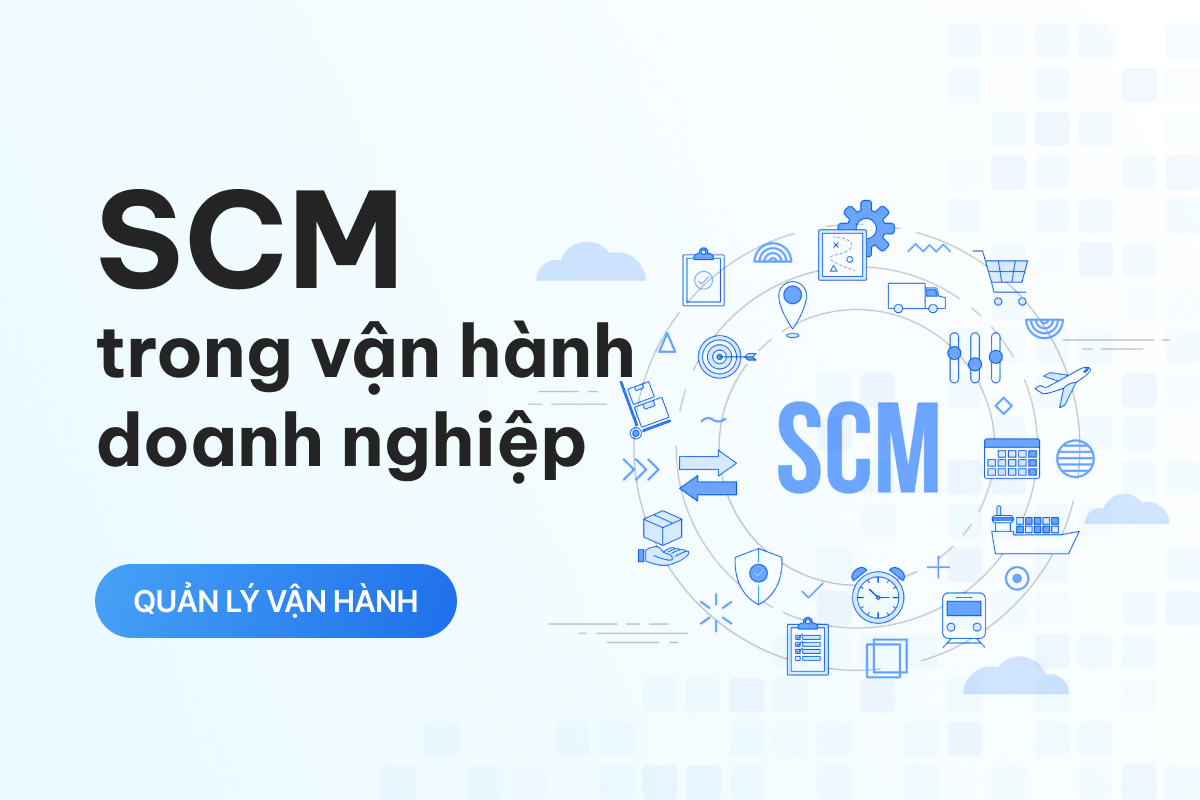
SCM stands for Supply Chain Management, which is the process of managing all activities related to delivering products and services from the origin to the end consumer. Supply chain management involves planning, executing, and controlling supply chain activities to ensure that goods are produced and distributed at the right time, in the right place, and at the optimal cost.

What is SCM
Key Components of SCM:
One of the biggest benefits of effective supply chain management is the ability to optimize costs. By coordinating and managing supply chain activities efficiently, businesses can minimize production, inventory, and transportation costs. This not only helps save money but also enhances the company's competitive edge in the market.

Cost Optimization
Strict supply chain management enables businesses to control quality from the input of raw materials to the finished product. Quality control processes are implemented throughout the supply chain, minimizing product quality risks and increasing customer satisfaction.
In today’s business environment, market demand can change rapidly. Effective supply chain management allows businesses to flexibly adjust production and distribution according to customer needs. This not only enables timely responses but also builds customer trust.
With the support of technology, modern supply chain management can collect and analyze big data. This helps businesses predict trends and market demands more accurately. Consequently, they can plan production and distribution appropriately, reducing excess or shortages of goods.
Supply chain management involves not only internal processes but also relationships with suppliers. By establishing clear processes and standards, businesses can foster strong relationships with suppliers. This close cooperation ensures stable supplies and facilitates new product development.
Companies that manage their supply chains well can create sustainable competitive advantages. Reducing costs, improving quality, and increasing customer satisfaction all contribute to differentiating them from competitors. Moreover, effective supply chain management enhances adaptability to market demands, helping businesses maintain their competitive position in the long term.

Strategies to Enhance Supply Chain Management Effectiveness
Utilizing information technology in supply chain management allows businesses to collect and analyze data quickly and accurately. Supply chain management software can assist in tracking production processes, managing inventory, and optimizing delivery schedules.
The workforce is a critical factor in the success of supply chain management. Businesses need to invest in training and skill enhancement for employees to grasp new processes, technologies, and effective practices within the supply chain.
Businesses should encourage collaboration between internal departments and external partners, such as suppliers and customers. This not only improves processes but also creates value for all stakeholders involved.
Supply chain management should be regularly evaluated and improved. Businesses need to gather feedback from customers, employees, and stakeholders to identify weaknesses in the supply chain and implement appropriate improvement measures.
Supply Chain Management (SCM) plays a crucial role in operating and developing businesses. From cost optimization, enhancing product quality, to improving responsiveness to market demand, SCM helps businesses maintain operational efficiency and create sustainable competitive advantages. To succeed, businesses must adopt reasonable strategies and be ready to adapt to changes in the business environment. Investing in supply chain management is investing in the future growth of the business.
Today, Agile is not only a software development methodology but has become a popular way of working …
Content creators often share a common question: How can we effectively manage our content calendar a…
Zoho CRM Plus is a comprehensive solution featuring 8 powerful apps designed to optimize business pe…
We see AI as an investment — not a cost — for optimizing operations, marketing, sales, and customer support. But the right investment needs a roadmap, not trend-chasing. First 30-minute call is on us. No sales pitch. Just two founders talking about your business.